
Kosovo Credit Guarantee Fund’s Environmental and Social Management System
What is ESMS?
Behind Every Investment Is a Story
Every business investing in the expansion of its operations has a goal: to grow, create new jobs, improve productivity, or introduce new products and services to the market.
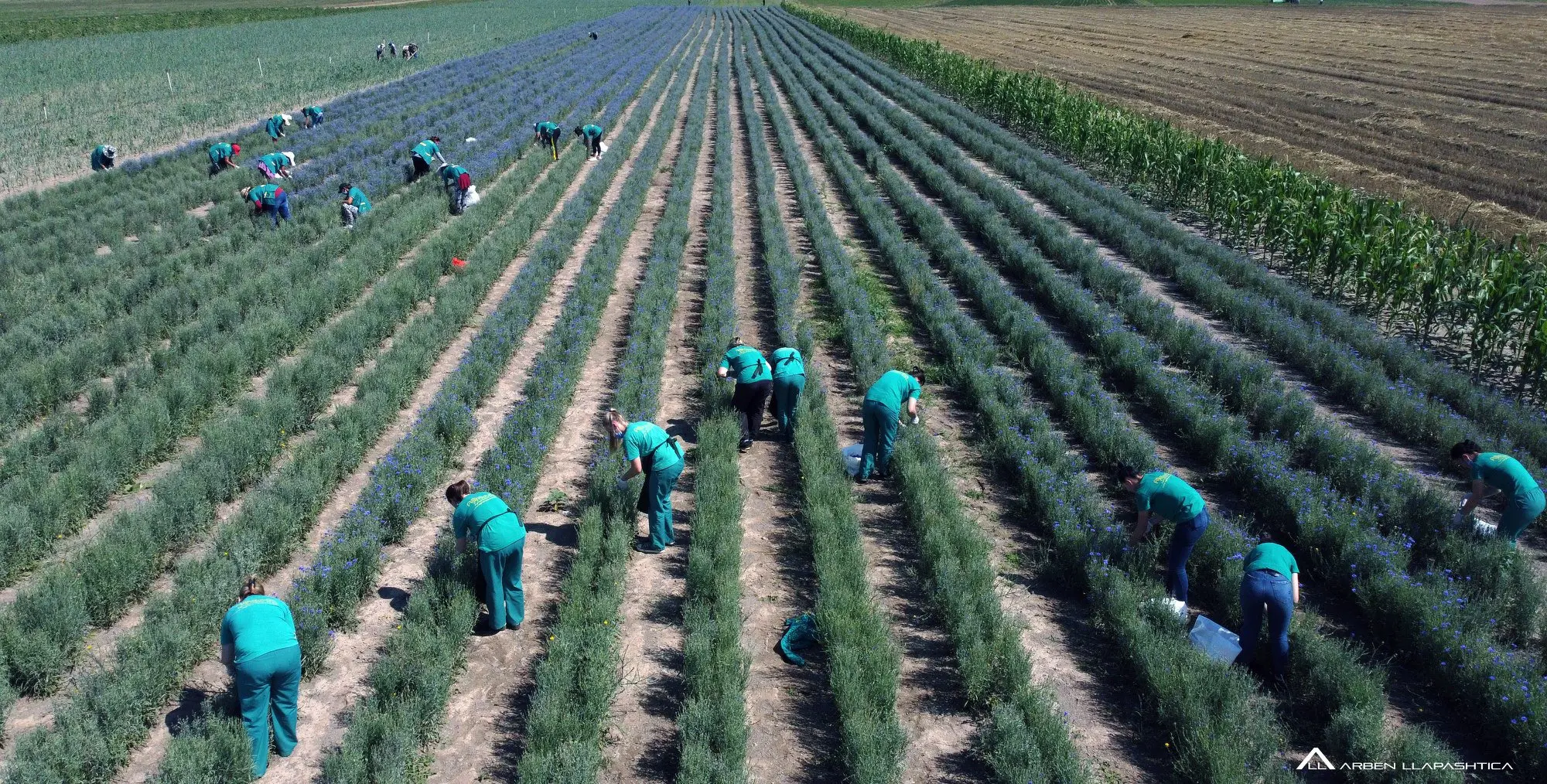
A manufacturing company may invest in the construction of a new facility. A farmer may expand the capacity of their farm, while another business may modernize its equipment to reduce energy consumption.
These investments create opportunities for economic development, but they may also bring environmental and social challenges. How will the waste generated be managed? Are employees working in safe conditions? What impact might the business activities have on the environment and surrounding communities?
This is precisely where the Environmental and Social Management System (ESMS) comes into play.
For the Kosovo Credit Guarantee Fund (KCGF), supporting businesses goes beyond facilitating access to finance. It also entails a responsibility to promote investments that take into account their impact on the environment, employees, and society.
Through its ESMS, KCGF aims to ensure that economic development and environmental and social responsibility go hand in hand.
From Risk Identification to Responsible Financing
The ESMS is the framework through which KCGF identifies, assesses, manages, and monitors environmental and social risks associated with guaranteed investments.
In practice, this means that before an investment is supported through a credit guarantee, the business activity, the nature of the investment, and its potential impacts are assessed.
The objective is not only to identify risks but also to determine the necessary measures to prevent or minimize adverse impacts.
This process does not end with the approval of a guarantee. For investments requiring further oversight, risk management continues through monitoring and verification of the implementation of relevant measures.
In cooperation with the World Bank Group, KCGF has developed an ESMS framework for Registered Financial Institutions (RFIs), particularly supporting institutions that previously did not have such systems in place.
This framework enables RFIs to integrate environmental and social assessments into their lending processes, making risk management an integral part of financial decision-making.
In this way, the ESMS establishes a link between businesses' financing needs, the responsibilities of financial institutions, and the requirements of sustainable development.
Three Pillars That Turn Responsibility into Action
To translate this commitment into practice, KCGF's ESMS is built around three main pillars that guide how environmental and social risks are identified, addressed, and monitored.
1. Environmental and Social Risk Categorization – Understanding the Investment Before Providing Support
Not all investments have the same impact on the environment and society. The interior renovation of a business premises, for example, presents a different level of risk compared to the construction of a new manufacturing facility or the expansion of an industrial activity.
For this reason, investments are categorized according to their nature, scale, and potential environmental and social impacts. Risk categorization ensures that the level of assessment, mitigation measures, and monitoring requirements are proportionate to the identified level of risk.
As of 31 December 2025, KCGF's guaranteed portfolio reached EUR 179.48 million. Based on environmental and social risk categorization, the vast majority of the portfolio, approximately 96.5% (EUR 173.16 million), was classified as low risk, while 1.4% (EUR 2.43 million) was classified as moderate risk and 2.2% (EUR 3.89 million) as high risk.
This distribution demonstrates that most of the portfolio consists of investments with low environmental and social risk, while moderate- and high-risk investments represent a relatively small share of total exposure and are subject to the relevant assessment, mitigation, and monitoring requirements in accordance with their identified risk levels.
2. Environmental and Social Exclusion Criteria – Defining the Boundaries of Responsible Financing
Supporting economic development also requires clearly defining which activities cannot receive support.
For this reason, KCGF applies Environmental and Social Exclusion Criteria, which identify activities that are ineligible for guarantees under its Environmental and Social Management Policy, donor requirements, and the standards of development partners.
By screening business activities against these criteria, KCGF and RFIs ensure that excluded investments are not supported through credit guarantees.
This pillar represents a fundamental element of responsible financing: economic development should be supported through practices that comply with environmental and social requirements.
The application of exclusion criteria helps safeguard the integrity of the guarantee portfolio and align it with sustainability principles.
3. ESG Responsibility and Oversight – From Policy to Practice
A management system is effective when its principles and procedures are implemented in practice and continuously improved.
For this reason, ESG responsibility and oversight constitute the third pillar of KCGF's ESMS.
Through clearly defined institutional functions, KCGF coordinates the implementation of its Environmental and Social Management Policy, monitors compliance with relevant requirements, and supports RFIs in managing environmental and social risks.
The ESG Officer plays an important role in this process by supporting policy implementation, coordinating ESG activities, monitoring the portfolio, and continuously improving institutional practices.
Through cooperation with RFIs, case reviews, and monitoring activities, KCGF aims to ensure that environmental and social requirements go beyond formal procedures and are reflected in how investments are assessed and supported.
Capacity Building – Fostering a Shared Culture of Responsible Financing
A sustainable system is built not only through policies and procedures but also through the people who implement them every day.
For this reason, KCGF invests in strengthening the capacities of Registered Financial Institutions (RFIs) by providing training and support on identifying and categorizing environmental and social risks, conducting due diligence, and integrating ESG principles into lending processes.
To date, more than 1,500 RFI officials have received training, contributing to earlier risk identification and ensuring that investments are assessed not only from a financial perspective but also in terms of their environmental and social impacts.
From training financial institution staff to assessing and monitoring investments, every step contributes to building a culture of responsible financing.
Because the success of an investment is measured not only by the growth it generates, but also by how it respects the environment and the people affected by it.